


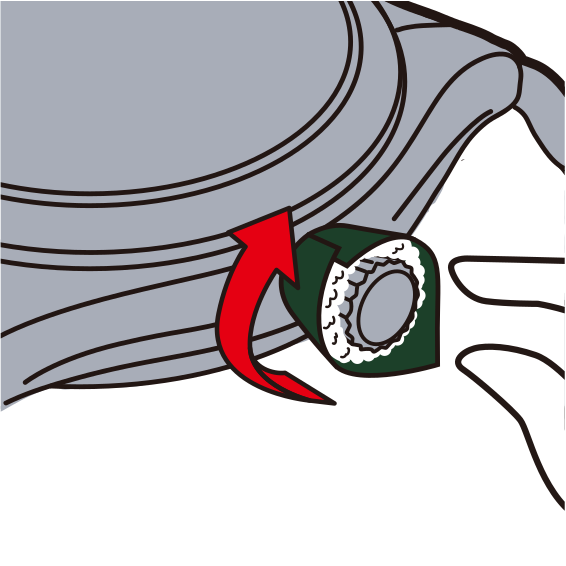
Manual Winding
The act of rotating the crown by hand to wind the mainspring and store energy in the watch. A form of interacting with the timepiece, it is one of the enduring charms of mechanical watches.


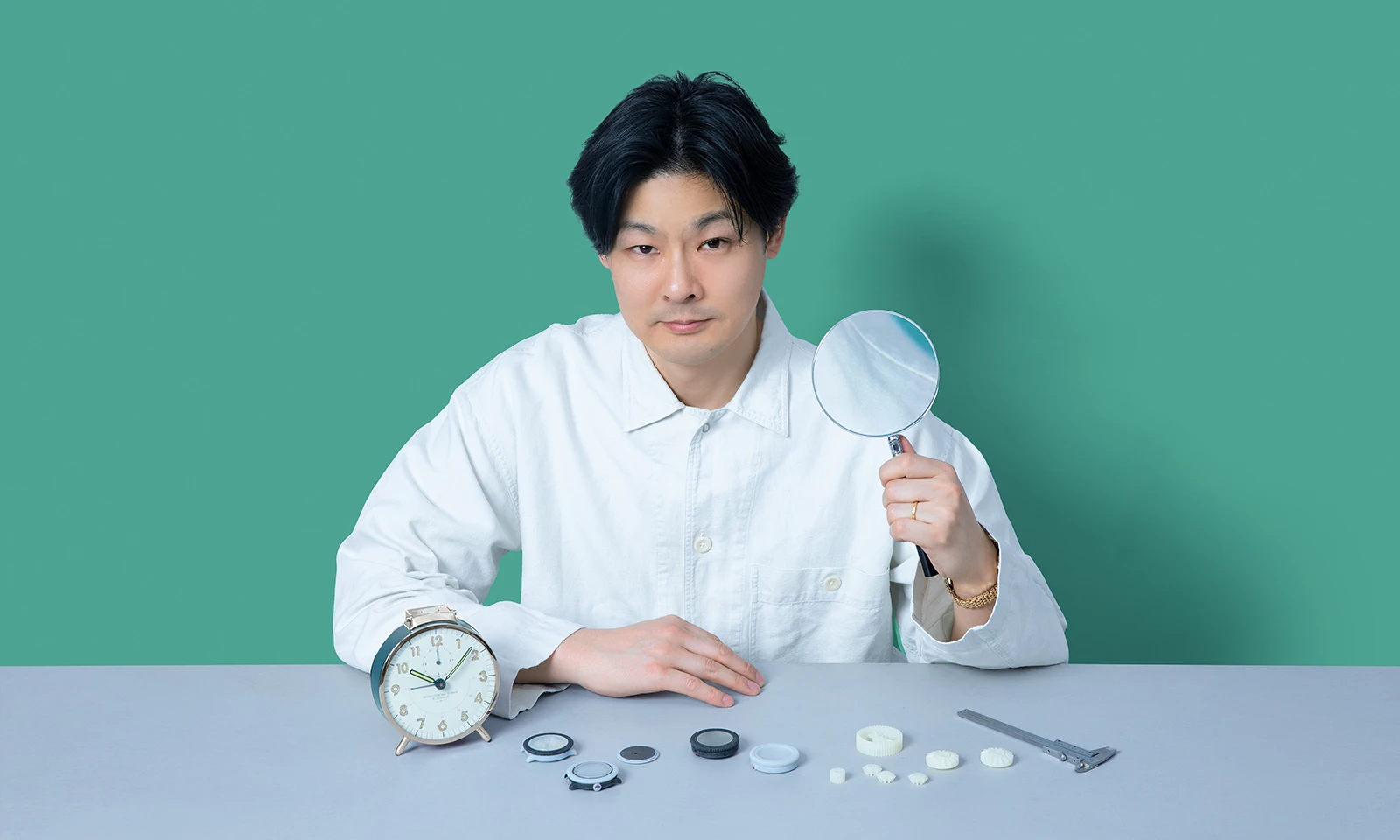
Kento Ito
Ito joined Seiko in 2018 and is currently primarily responsible for the design of Seiko brand creations.
 Philosophy of Obsession
What Manual Winding Means to Me
Among mechanical watches, the most classical mechanism is the manual-winding movement. By rotating the crown at the 3 o’clock position, the internal mainspring is wound. The gradual release of this stored energy becomes the driving force that moves the hands. I would describe manual winding in this way: it is the bond that connects human and machine.
The Roots of My Passion
What I learned from my obsession with Mini 4WD.
Ever since I was a child, I have loved building and racing Mini 4WD cars. While painting them and applying stickers was enjoyable, what truly captivated me was fine-tuning the suspension and engine mechanisms. I vividly remember how even the slightest adjustment to the gears could increase speed or allow the car to climb hills it previously couldn’t. The more time and effort I invested, the deeper my affection for the machine grew.
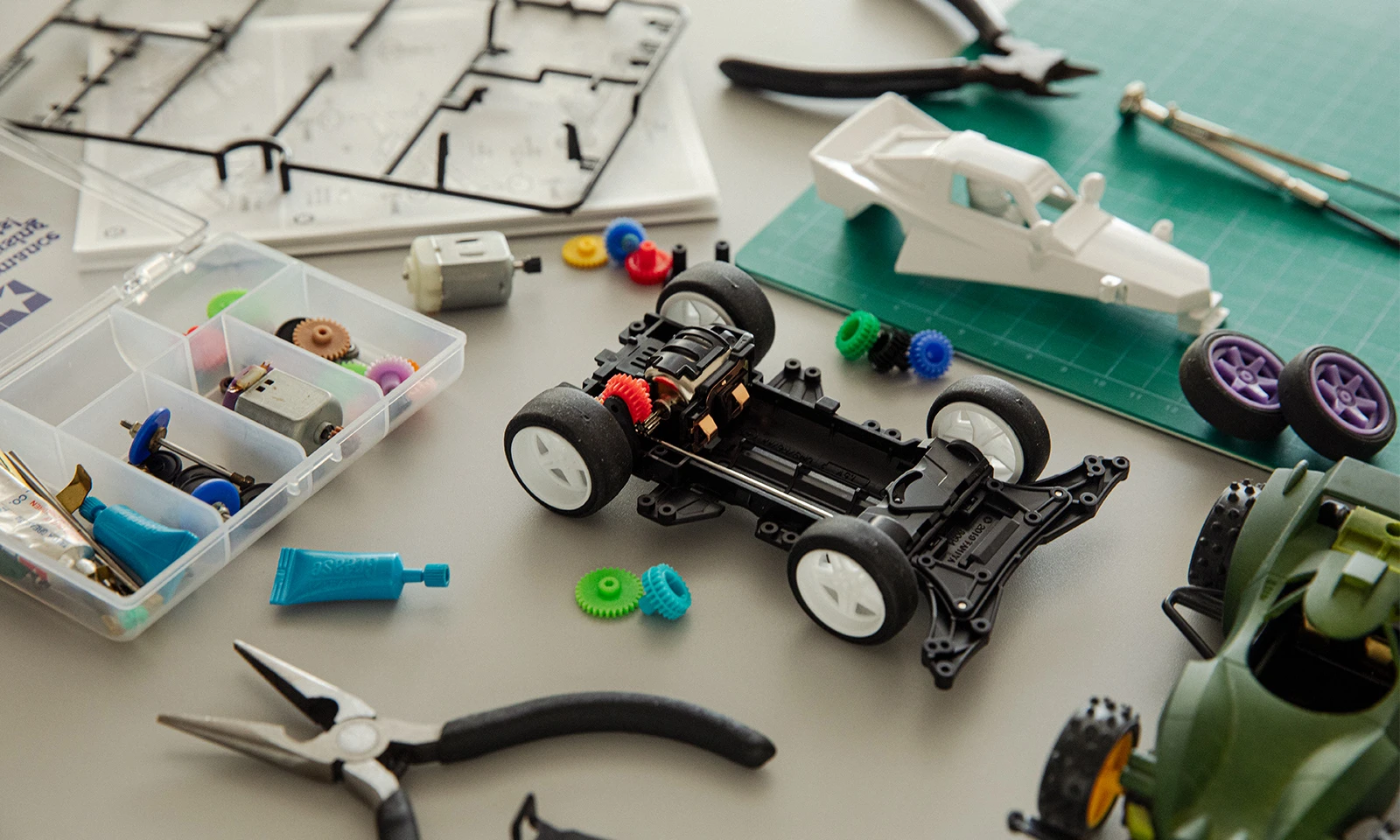
©TAMIYA ©TOKUDA・SHOGAKUKAN
The idea that passion and affection for machinery deepen through hands-on engagement is also true of watches. Manual winding, in particular, epitomizes this connection. With this in mind, I aimed to create a design that allows more people to experience the appeal of this mechanism—what I see as the bond connecting person and machine.
Bringing Passion to Life
Transforming the act of manual winding into a dynamic experience.
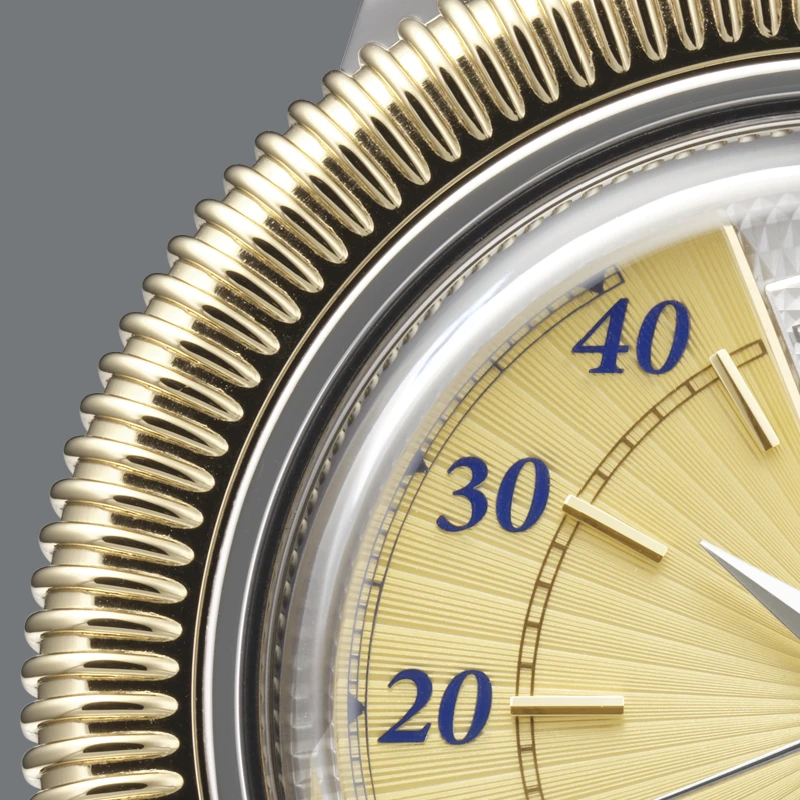
This piece effectively “gears up” the crown and rotating bezel, allowing you to feel the transmission of power within the mechanical watch. By simply turning the bezel, you can experience this interaction firsthand and sense the bond that forms between you and your timepiece.

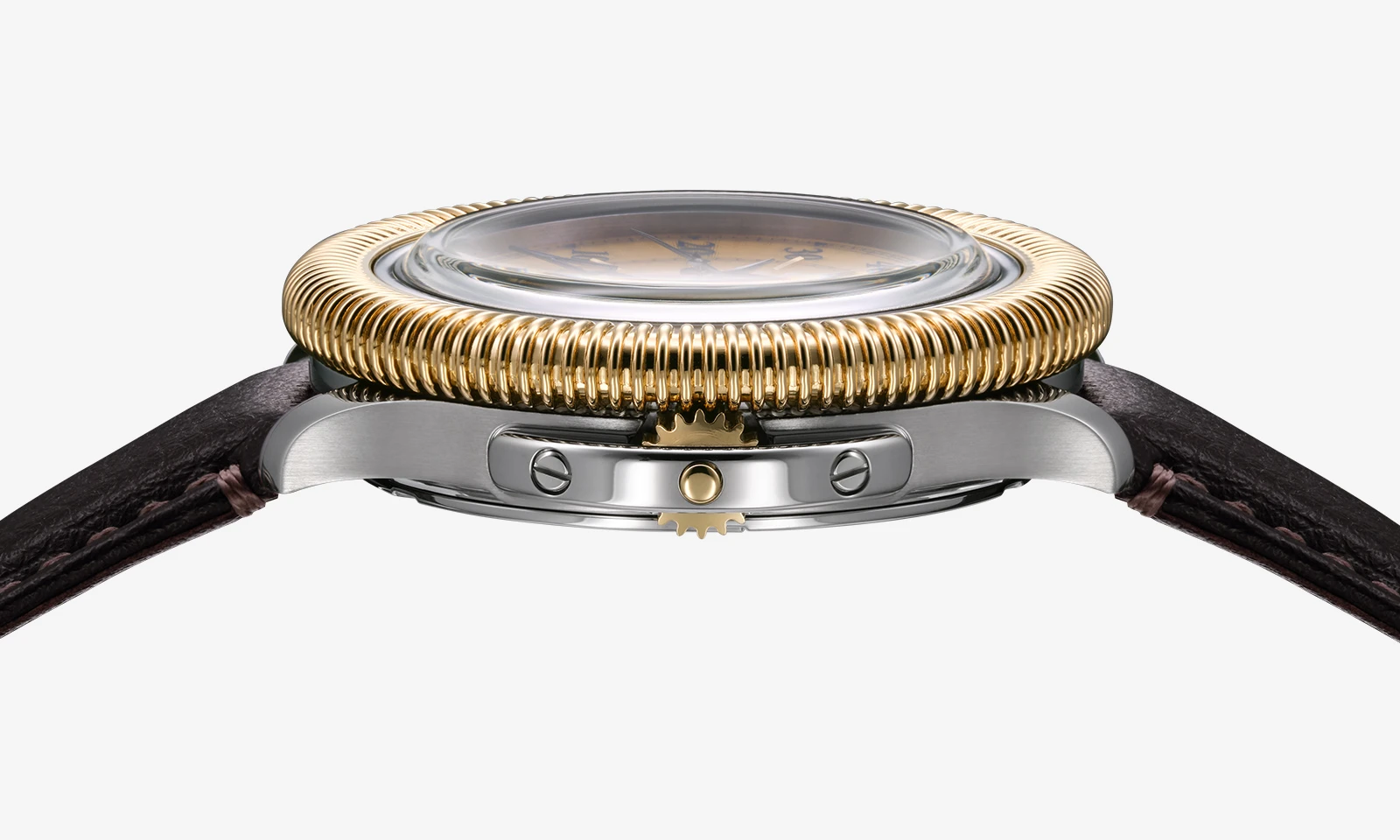
The crown and bezel mesh together as gears to transmit force to the internal mechanism when wound. The gear teeth are designed to integrate seamlessly with the bezel’s form, embodying a unique mechanical beauty that combines exterior aesthetic and mechanism.
Loading...
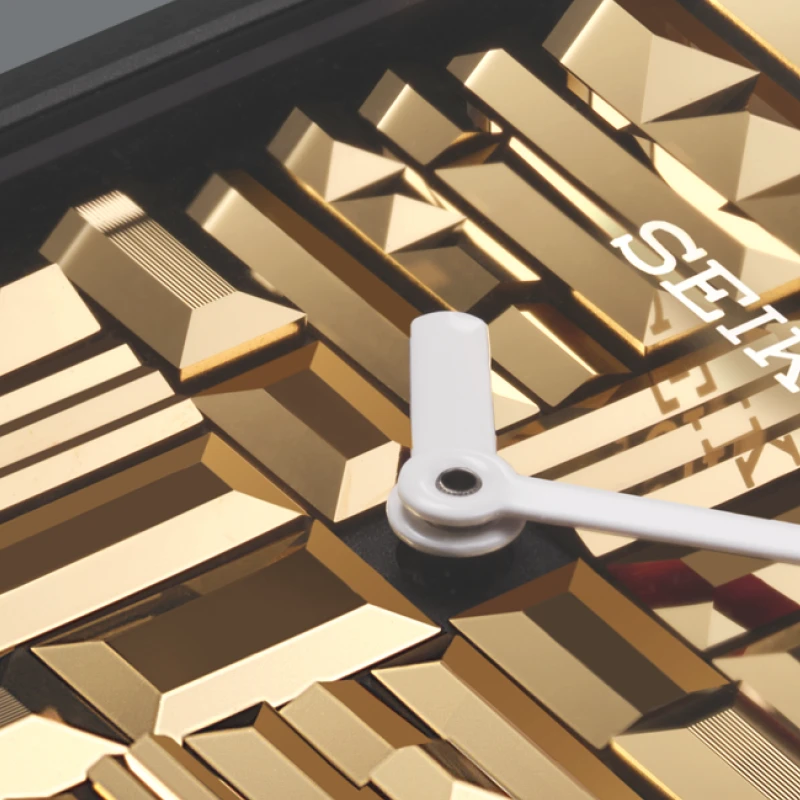
The gold hue draws inspiration from the watch’s crown, echoing the origin of the term itself. To make the power reserve indicator more visually prominent, the hands are deliberately offset from the center of the dial toward the 3 o’clock position. Meanwhile, the power reserve hand at the 9 o’clock position allows the wearer to visually enjoy the movement of the mainspring as it winds.

The combination of the rotating bezel’s operability and the charm of a manual-winding watch makes the act of winding more intuitive and dynamic. Ito remarks, “Though winding is a simple action, it offers a sense of comfort and tactile satisfaction, deepening the connection with a mechanical watch.”