


Machining Marks
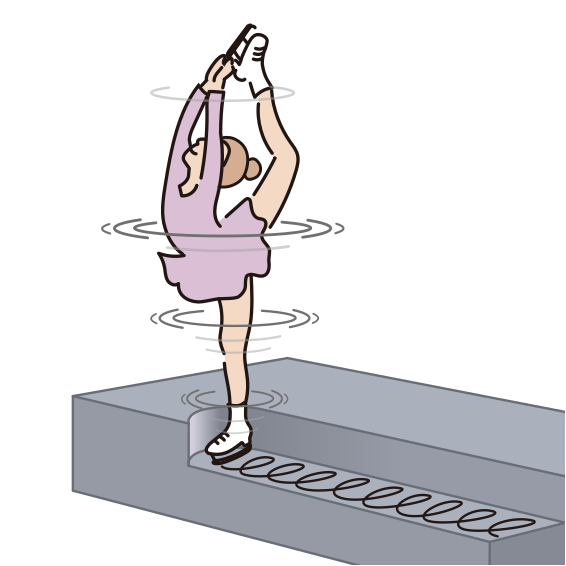
Irregularities left on a material’s surface during machining. These marks are a critical design element that influences both product performance and quality, making their precise control essential in the manufacturing process.


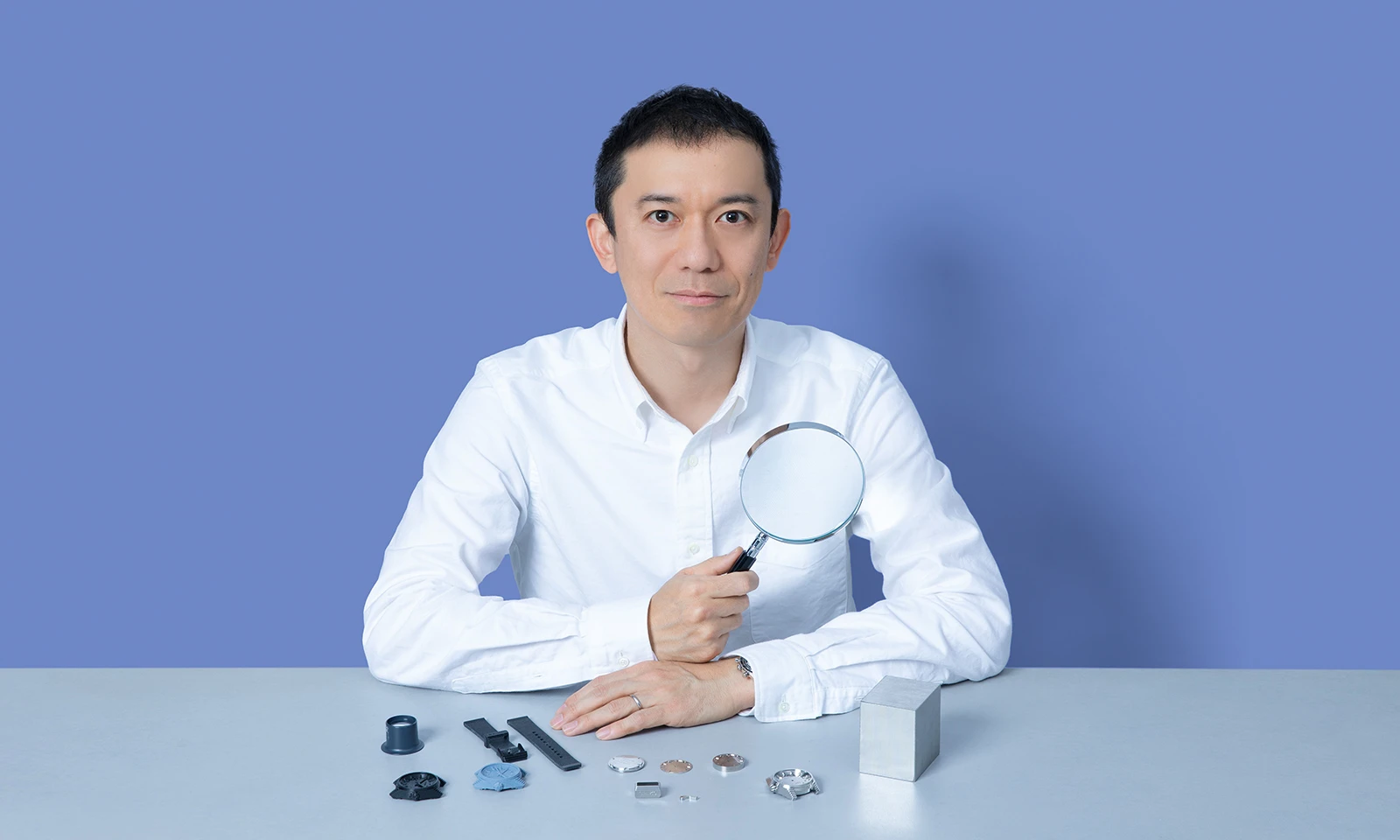
Naoya Sukeda
Sukeda joined Seiko in 2013 and is currently primarily responsible for Seiko brand design.
 Philosophy of Obsession
What Machining Marks Mean to Me
In general, the term machining marks refers to the traces left behind when a material is cut or shaved. Such marks also emerge in the process of watchmaking. For example, when parts are carved from a solid block of metal, there are moments when the traces left by the cutting tools appear in a beautifully uniform pattern. I am captivated by the beauty of that single line drawn by the cutting path as the solid mass gradually takes form. What might be perceived by some as a flaw is, to me, an extraordinarily compelling crystallization of machining technology.
The Roots of My Passion
Planes. Files. The beautiful handiwork of woodworkers.
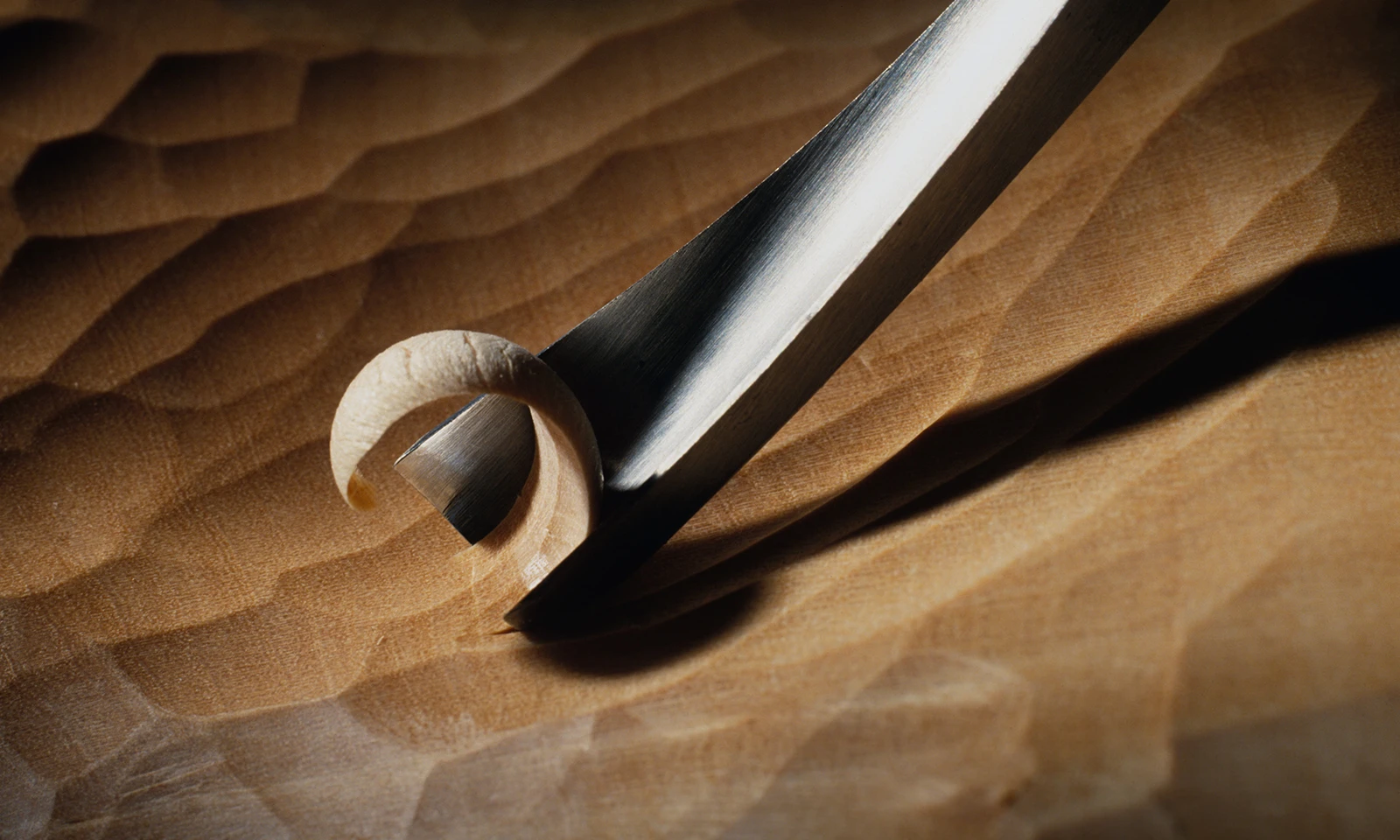
One day, a video of woodworkers diligently absorbed in their craft caught my eye. It was footage of furniture making—seemingly far removed from watchmaking at first glance. Yet the textured surface of the wood, shaped by planes and files, bore quiet traces of the craftsperson’s meticulous hand and profound understanding of the material. In that moment, I recognized a devotion to detail akin to that seen in the finishing processes of watchmaking. And when I learned that in furniture making, the tool marks are sometimes intentionally made to be seen and appreciated, I felt my heart quietly stir within me.
In watchmaking, metal surfaces are often polished to perfection. A mirror finish that reflects light sharply is undeniably beautiful. Yet, as in woodworking, there is another approach—one that embraces the deliberate presence of machining marks to create a new aesthetic. This is why, in this work, I focused on revealing machining marks as the crystallization of machining technology, allowing them to be appreciated as an expression of craftsmanship in their own right.
 Bringing Passion to Life
Elevating machining marks into design elements.

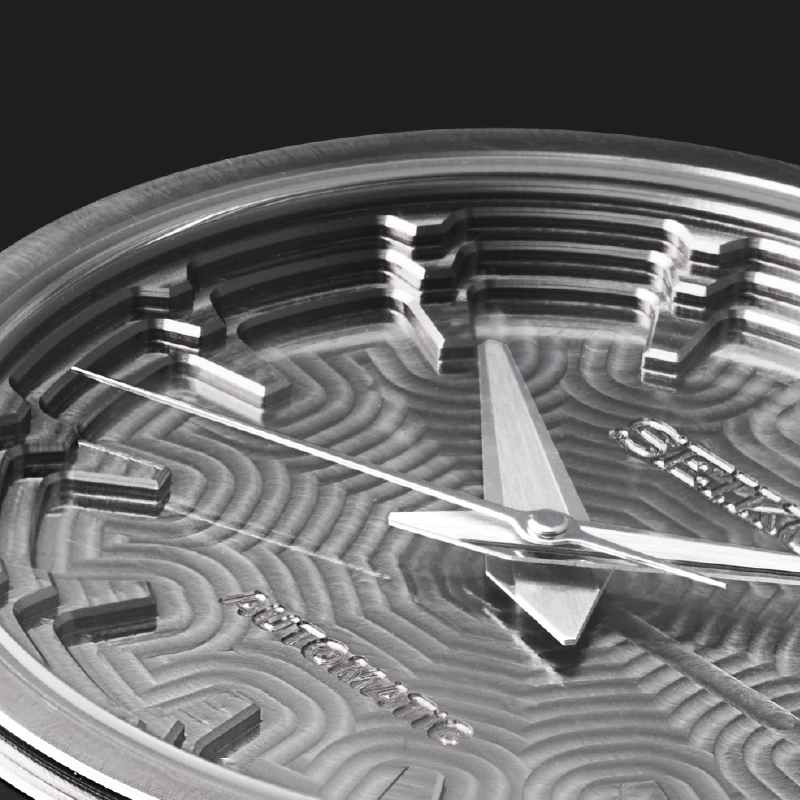
My particular focus was to ensure that the precision of the machining is evident from every angle. With each shift in perspective, the machining marks reveal a different expression. I hope this ever-changing world will be gently etched into the viewer’s heart.

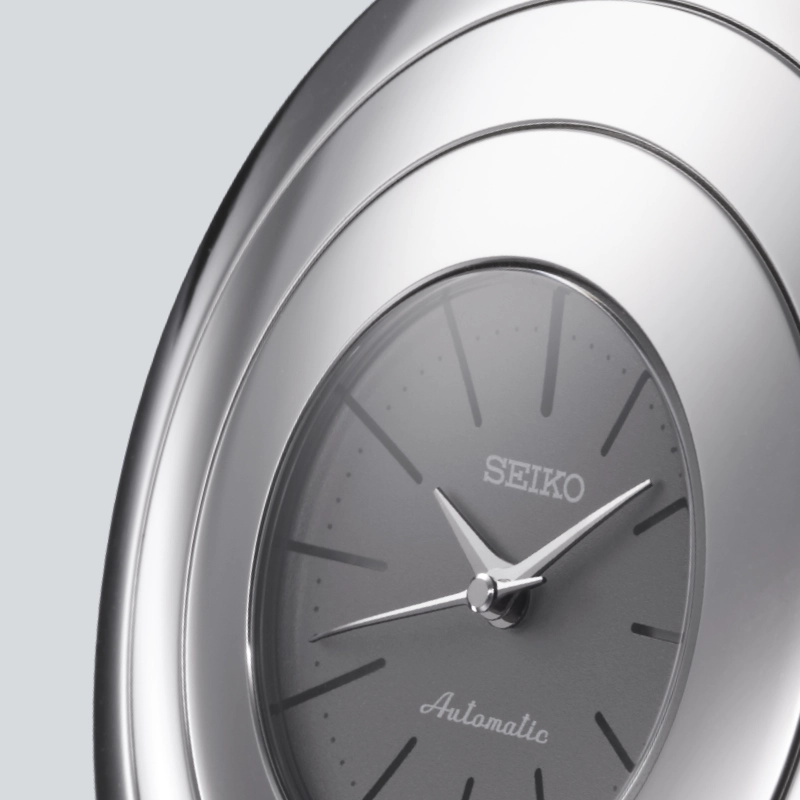
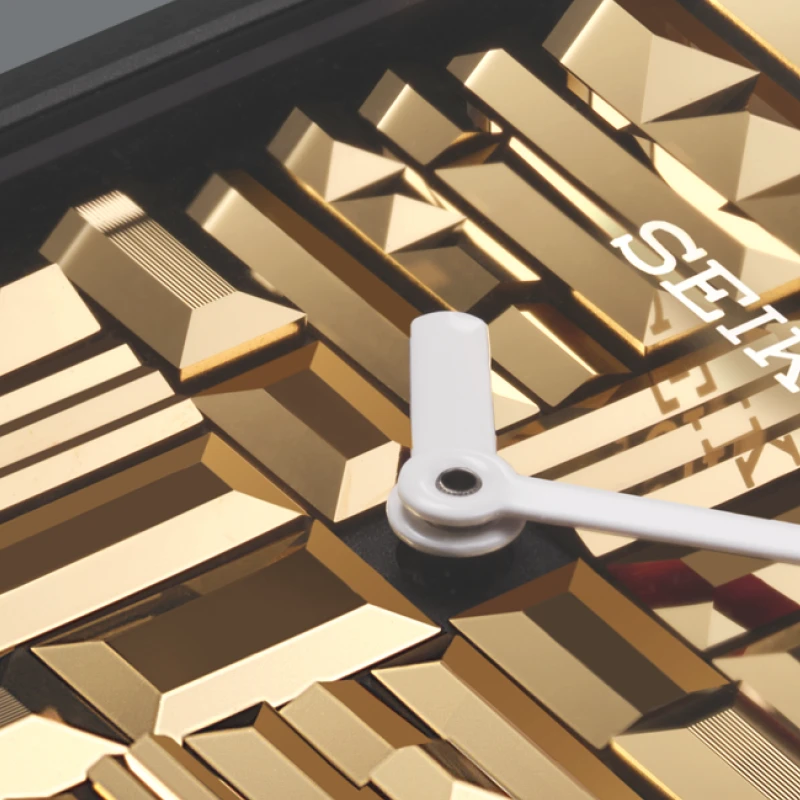
Typically, the case and dial are crafted as separate components. In this watch, however, both are carved together from a single block of metal, maximizing the beauty of the machining marks. Even the indexes and logos are formed through machining, allowing the almost excessive devotion to machining marks to be felt in every detail.
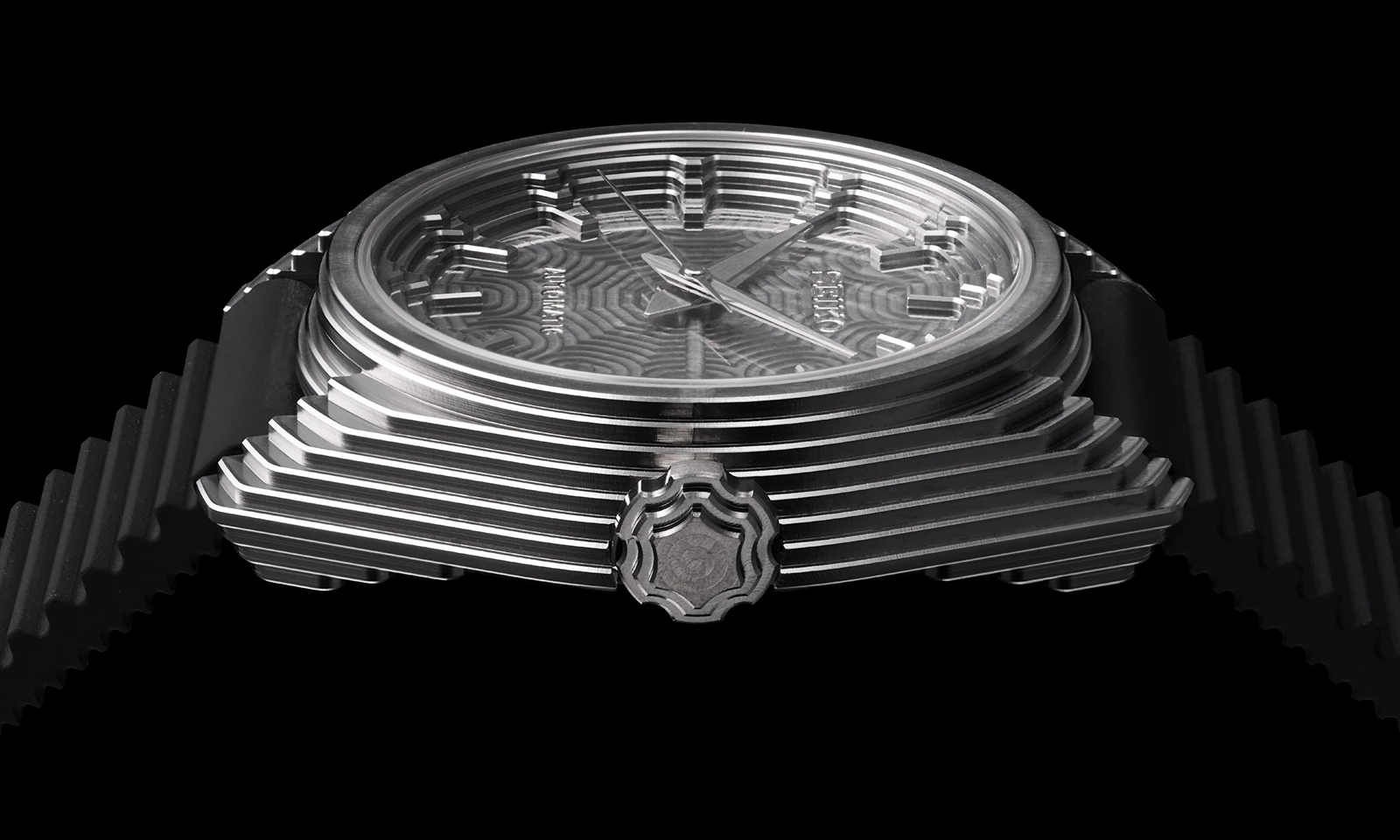
With deliberately exaggerated step height, the pronounced machining marks create a symbolic expression. This distinctive staircase form is applied throughout the watch, including the crown, the strap, and small components of the watch.

The case back and buckle also feature the stepped form. However, the rubber strap goes beyond a simple replication of this shape; its design evokes the image of a rubber belt transmitting the driving force of metalworking machinery used in machining operations.