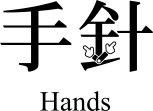



Hands
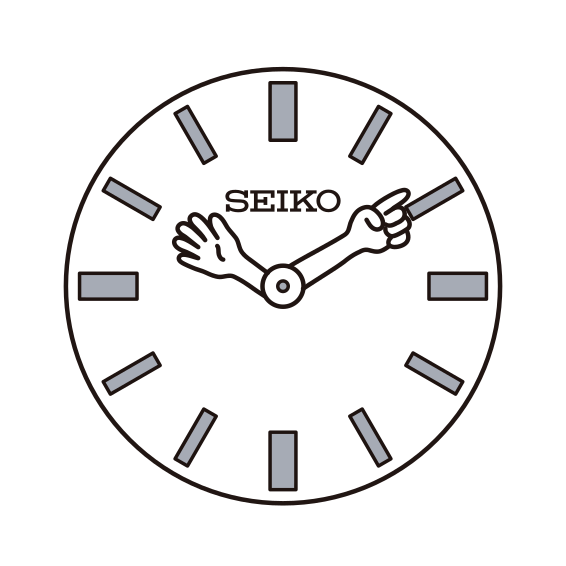
A design in which the hands of the watch, which indicate time, date, or specific functions, are shaped like the arms or hands of a character. While these watch components are commonly referred to as hands in English, this is not necessarily so in other languages, as with Japanese, where the term used is hari, which literally means “needle,” highlighting a linguistic difference in how time is expressed.


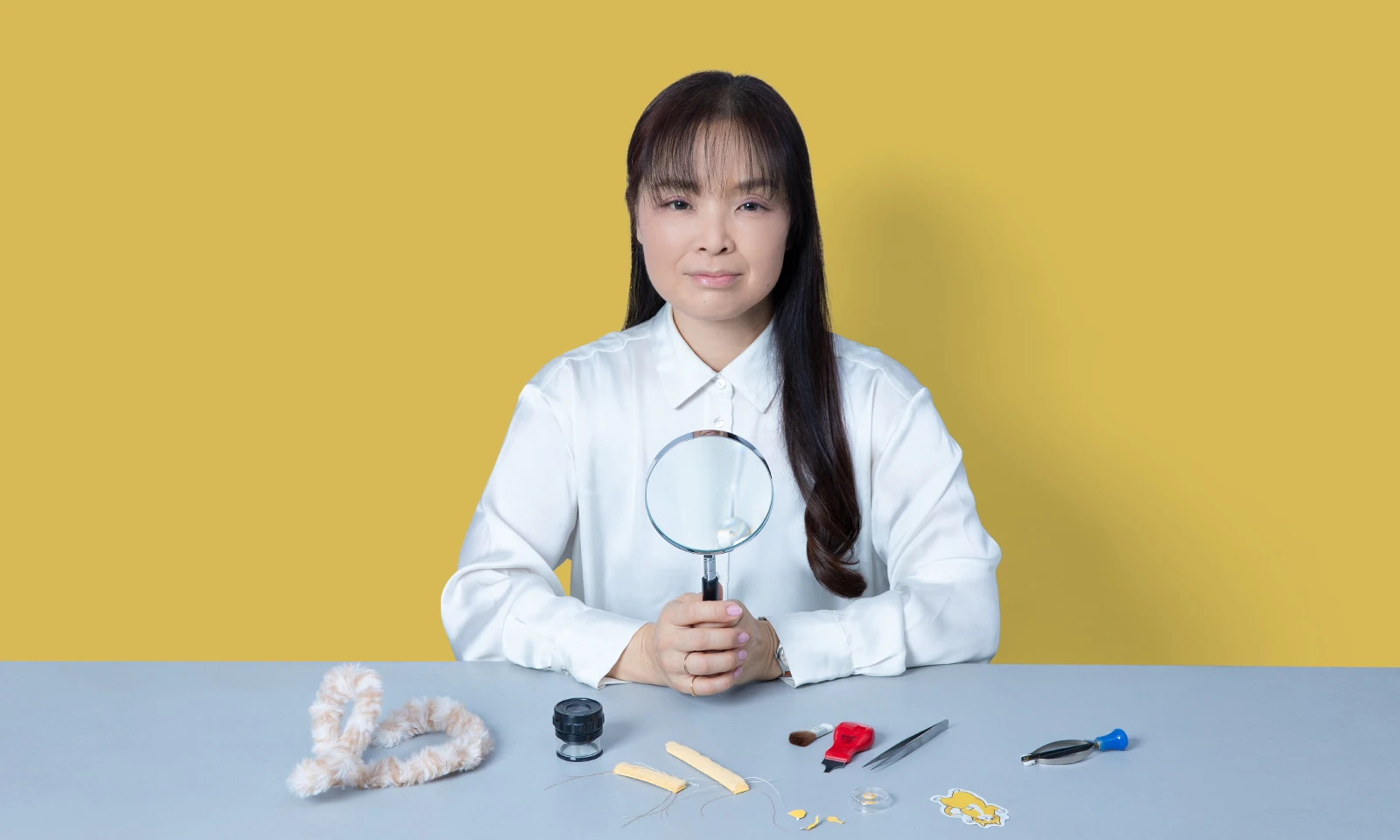
Yuki Omori
Omori joined Seiko in 1989 and is currently primarily responsible for Seiko brand design.
 Philosophy of Obsession
What Hands Mean to Me
In character-themed watches, the hands of the watch are designed to resemble the hands of the character. Through the movement of the hands, the character depicted on the dial begins to take on a three-dimensional presence. These character hands deepen the wearer’s affection for the watch, serving as the element that breathes life into the watch.
The Roots of My Passion
The essence of animated expression,
revealed through movement.
You know those classic animations that don’t rely heavily on dialogue. Even with few words, a character’s gestures, glances, or a single movement of the hand can convey emotion with remarkable clarity. I have always been drawn to that expressive power and worldview.
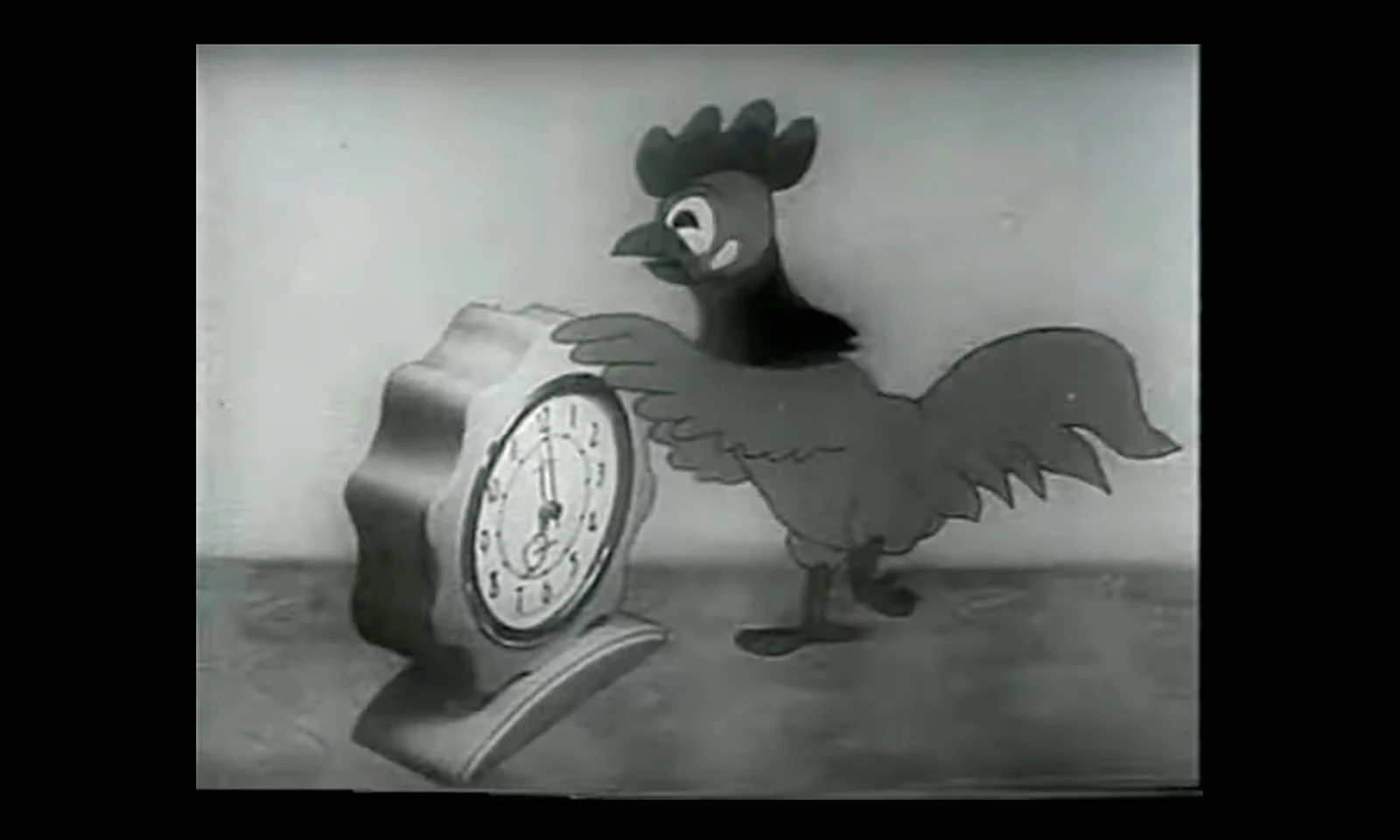
I believe the hands of a watch are remarkable components, capable of expressing a character’s emotions through movement alone. In character watches, the role of the hands is especially significant. Precisely because they serve as the element that breathes life into the watch, we are able to form an emotional connection with the watch.
Bringing Passion to Life
Hands, feet, and a tail.
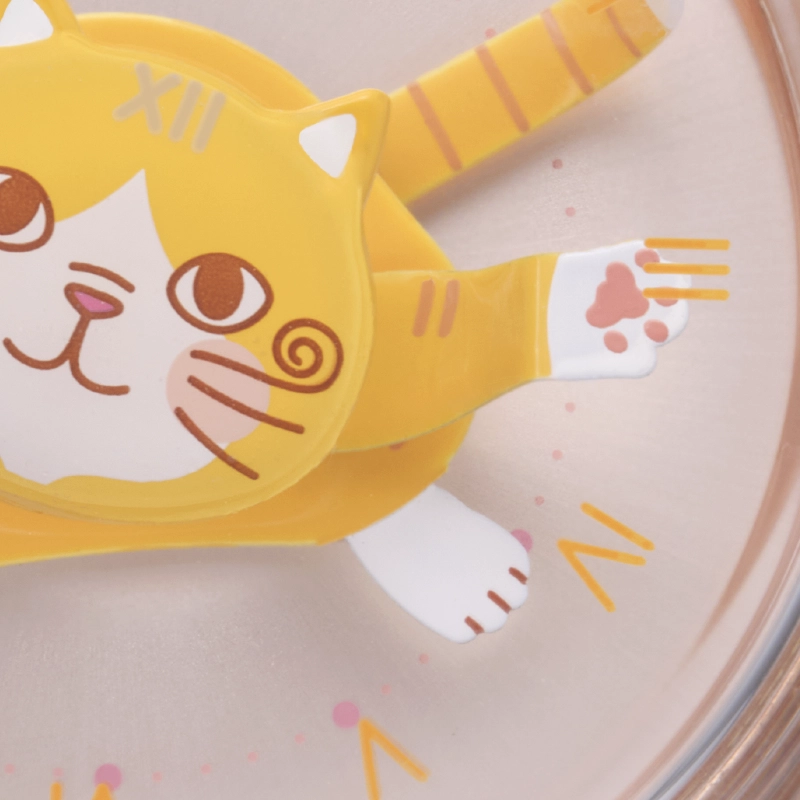
I chose our original character, Ten-chan, who has appeared in past exhibitions. In my desire to imbue the character with a greater sense of life, I arrived at a bold, three-dimensional expression through bent needles. With this approach, I pushed the limits of what bent needles can express.


Ten-chan’s hands serve as the second hand, the feet as the minute hand, and the tail as the hour hand. Through a three-dimensional design—most notably the use of curved hands—we aimed to create a unique expression that conveys the character’s movements and emotions with greater vividness.
Loading...
Ten-chan strikes different poses depending on the time. Omori reflects on her design, “I never compromised on the overall balance—how each part overlaps, the spacing between elements, the refractive index of the box-shaped glass, the curvature of the hands inspired by a cat’s suppleness, time legibility, and more. I was completely consumed with how to make it adorable.

The case back features a cutout of Ten-chan’s footprint, revealing the balance wheel of the mechanical movement—the character’s original inspiration. The case lugs are shaped like Ten-chan’s limbs. Look closely, and you’ll find paw pads reproduced on the underside, with every detail brimming with love for the character.